
Rules for main forums
- Be nice
- No advertisement
- No events
- No fundraisers
- No topics asking for votes
- Only posts related to Brazilian Jiu Jitsu
Ecological method of teaching/training
2 year(s) ago • 9487 views • 228 replies
 HL
Purple beltVerified
2 year(s) ago
Does any one know who has the most experience in eco/cla? Using the approach - not studying it. I am interested in grappling, but I think more experience has to be some where else. (If the approach started in 1960’s and grappling has done it from 2010:ish…)
I know that our University teaches the approach to new PE teachers. Have to have a chat with the local professor and find out what they know and have they any hands on experience them selfs.
But who are the ”guru’s”…?
I know that our University teaches the approach to new PE teachers. Have to have a chat with the local professor and find out what they know and have they any hands on experience them selfs.
But who are the ”guru’s”…?
 JM
Black belt 2nd degreeVerified

2 year(s) ago
A SKILL is the ability of interacting with the performance environment with functionality and adaptiveness. A TECHNIQUE is an application of that skill.
If academics try to coin terms that are deeply rooted in everyday language with a narrower meaning it's usually quite a futile effort and make people confused because if an academic wants to discuss their expertise topics in wider discourse, they will have to spend extra energy fighting against the current of already rooted meanings.
Look no further than this thread for seeing this in action.
I totally agree with Francesco that contextual interference is always there (and so does the academic consensus).
In weightlifting the weights change! Even in gymnastics competition the competition arenas and crowds change! (Ergo the need to psychologically prepare for those as well).
Now the interesting question about self controlled low contextual interference tasks (e.g. basketball free throw) is it better to also include task variety for best development of mastery (e.g. also throwing while sitting on a chair or just different distances).
For grappling there is no doubt that you want to introduce higher contextual interference ASAP.
The current discussion is that is the BEST method to introduce chaotic full resistance ASAP or is there benefit as well from other types of tasks.
E.g. guard passing Vs guard attacks drill but passer is tasked with every 10-30 seconds (variety) to leave themselves hanging one arm in one arm out (trigger situation for triangle attack).
I as coach think/believe in grappling and other sport games using these types of specific feeds allows for better development while learning relatively unfamiliar skills.
Also this is useful to be preceeded by 2-10 minutes of "dead" tripping of technique to introduce basic gross motor movement for a triangle and it's finishing mechanics when it's a totally new skill.
Yes, you could do that step by step via games also on principle.
But you also can burn antique furniture in your fireplace. Why would you though?
HLPurple beltVerified
2 year(s) ago
One interesting method of learning to hit a golfball to target, is to hit it has see how it curves - left or right. Next drive you intentionally hit so that your ball curve to the oppisite direction and you just keep hitting and change curve to smaller and smaller.
And this is one way also to ”calibrate” your daily feel before your actual play a round of golf.
And this is one way also to ”calibrate” your daily feel before your actual play a round of golf.
Edited 2 year(s) ago
HLPurple beltVerified
2 year(s) ago
Has anyone used TGfU? Teaching Games for Understanding. (Yes ofcourse we use games and understanding increases, but the actual concept.)
 LS
Black beltVerified
2 year(s) ago
Has anyone used TGfU? Teaching Games for Understanding. (Yes ofcourse we use games and understanding increases, but the actual concept.)
I don’t think so, what is it?
HLPurple beltVerified
2 year(s) ago
Might be an early stage of eco? I’ll get some books about it, but my first impression is that it’ focuses on individual as a learner and learning is by games. It has been used in Physical Education from early 2000…
HLPurple beltVerified
2 year(s) ago
One thought about ”drilling” what ever it means, but this is dead reps :-)
I started kicking after a very long hiatus. My goal is be able to kick head hight round house kicks (mawashigeri). I have a heavy bad hanging in my backyard and plan is to do about 100 kicks per day amd progressively increase the hight. I think it will be useful.
Iain Abernethy teaches karate and he has three type of exercises. One is kata. A dead rep dance to remember various combinations. The combinations are also drilled with parners with resistance and with out resistance. Third exercise for same combinations is a pad drill where impact is more realistic.
So the ideas is that none of the exercises cover needed skills but combining three ways of learning fills the holes.
Edited 2 year(s) ago
 R
RandyOP
Black belt 1st degreeVerified
2 year(s) ago
Has anyone used TGfU? Teaching Games for Understanding. (Yes ofcourse we use games and understanding increases, but the actual concept.)
Yeah I've heard of it. The best explanation I heard regarding Ecological Dynamics and Information Processing is that they're like a tree - there are branches that overlap and touch, but the roots are where it's different. You will see things like TGfU that are similar - but they are still instructor-centered. Ecological Dynamics is more centered around the student and environment, and the way the two interact and provide information to guide outcomes, actions, etc.
The drills you were referring to, at least according to EcoD, would not be very beneficial toward skill acquisition because they lack a high degree of representativeness to the environment you're looking to apply them in. You'll get really good at kicking the air, but that doesn't equate to application within a fight, sparring match, or competition where the demands and affordances are different. Kata is very much the same way, as it lacks representativeness or aliveness. My understanding is that kata was developed mostly out of convenience when teaching to the masses.
At the end of the day, do what you want and what makes you happy - but according to the studies supporting EcoD, those would be sub-optimal in motor skill development.
HLPurple beltVerified
2 year(s) ago
Yep, kicking air as high as possible has very little to do with timing, distance or impact, but you can progressively increase mobility and enhance your technique. Would technique transfer to skills with live sparring? From my own experience I’d say it will. My old move and combos are coming back.
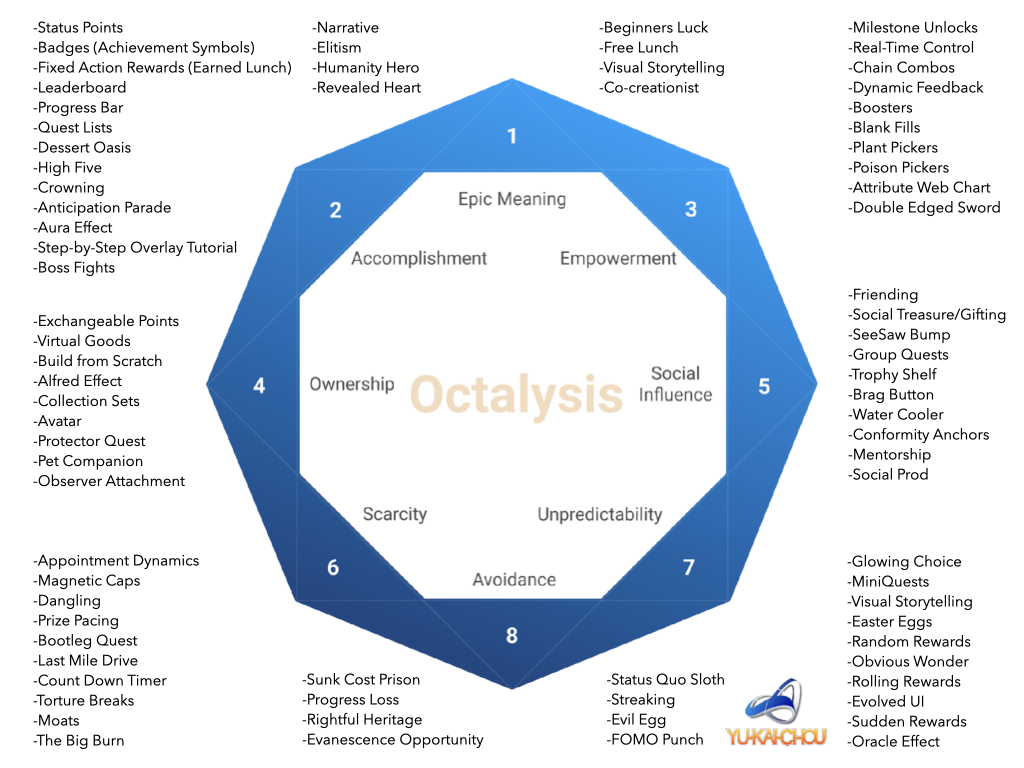
I think we need to find out when and for what a teaching method is most effective. No way I sign up for idea that ecoD is the only and the best for every circumstance. EcoD works for many situations and gamification as motivation is under used for sure. (Gamification and ecoD are not the same, but maybe some features of gamification could be added to ecoD.)
I think we need to find out when and for what a teaching method is most effective. No way I sign up for idea that ecoD is the only and the best for every circumstance. EcoD works for many situations and gamification as motivation is under used for sure. (Gamification and ecoD are not the same, but maybe some features of gamification could be added to ecoD.)
HLPurple beltVerified
2 year(s) ago
TGfU is learner centered in theory.
I don’t know enough but currently the only difference in TGfU and EcoD is that EcoD has its own theory about how we learn or think. EcoD does not accept schema, internal representation, and TGfU does not have an opinion about what happens inside our head when we learn.
Some said that difference is that TGfU teaches more tactics? Grappling is a lot of tactics. Its not often a show of very skillful motor stunts. (Atleast for me as a grandpa.)
JMBlack belt 2nd degreeVerified
2 year(s) ago
maybe some features of gamification could be added to ecoD
Talking about "win conditions" is already gamification :)
HLPurple beltVerified
 CB
Brown beltVerified
2 year(s) ago
Coming late to the conversation, but what not reanimate the dead thread. 😅
I actually do use this methodology in my own personal training and it really does help internalize things much more quickly. Using this methodology in class has given mixed results usually. The problem here isn't so much the methodology itself, but more a problem of the students and the general mentality of most people training Jiu-Jitsu.
Often, especially when noobs are in class, I've notice a lot of people simply refuse to play the game. A couple of examples:
- I wanted people to do some focused work in the dog fight position to build up confidence in this position. Almost every time, instead of working in the dog fight position, my partner just ran away and refused to engage.
- I was having the class work on camping in the Half Guard position and build up stability and confidence in the position. The Person Camping wasn't allowed to pass and just had to try to hold position. The person in Half Guard was supposed to constantly attack Sweeps from Half Guard and was specifically told to stay in Half Guard. Most of the guys in Half Guard didn't try to sweep and instead just tried to change to Closed Guard, WHICH I SPECIFICALLY TOLD THEM NOT TO DO.
- Working on Leg Lock Defense, and the "attackers" didn't attack a single Leg Lock the entire session.
I could go on and on. Right now, I generally use this method to work on my own training with a group I know I can work with. In lead classes, I tend to be more traditional because otherwise, there's the risk of everything sinking into chaos and everyone trying to just free spar instead of playing the game.
JMBlack belt 2nd degreeVerified
2 year(s) ago
Hm. I find it rare people refuse to play the game if the objectives and benefits are clearly defined and explained.
And this does not go for classes I teach because I rarely do these days but seeing the classes mostly purple belt coaches teach in my club.
I wonder what's different.
What you can try is to gamify it. E.g. example above:
While sweeping is 1 point, taking closed guard is -1 point.
Top person has no win condition BUT they are trying to outpoint each other regarding their respective bottom rounds.
LSBlack beltVerified
2 year(s) ago
Coming late to the conversation, but what not reanimate the dead thread. 😅 I actually do use this methodology in my own personal training and it really does help internalize things much more quickly. Using this methodology in class has given mixed results usually. The problem here isn't so much the methodology itself, but more a problem of the students and the general mentality of most people training Jiu-Jitsu. Often, especially when noobs are in class, I've notice a lot of people simply refuse to play the game. A couple of examples: - I wanted people to do some focused work in the dog fight position to build up confidence in this position. Almost every time, instead of working in the dog fight position, my partner just ran away and refused to engage. - I was having the class work on camping in the Half Guard position and build up stability and confidence in the position. The Person Camping wasn't allowed to pass and just had to try to hold position. The person in Half Guard was supposed to constantly attack Sweeps from Half Guard and was specifically told to stay in Half Guard. Most of the guys in Half Guard didn't try to sweep and instead just tried to change to Closed Guard, WHICH I SPECIFICALLY TOLD THEM NOT TO DO. - Working on Leg Lock Defense, and the 'attackers' didn't attack a single Leg Lock the entire session. I could go on and on. Right now, I generally use this method to work on my own training with a group I know I can work with. In lead classes, I tend to be more traditional because otherwise, there's the risk of everything sinking into chaos and everyone trying to just free spar instead of playing the game.
If this happens almost always the instruction isnt clear enough for the players and in confusion they just wing it.
So instead of sweep try something like: bring their hands to the mat and then get your hips higher than theirs.
Instead of engage, try something like: bring your partners head away from your body and to the floor.
Give them concrete tasks. Something a first timer would be able to understand.
So instead of sweep try something like: bring their hands to the mat and then get your hips higher than theirs.
Instead of engage, try something like: bring your partners head away from your body and to the floor.
Give them concrete tasks. Something a first timer would be able to understand.
CBBrown beltVerified
2 year(s) ago
If this happens almost always the instruction isnt clear enough for the players and in confusion they just wing it. So instead of sweep try something like: bring their hands to the mat and then get your hips higher than theirs. Instead of engage, try something like: bring your partners head away from your body and to the floor. Give them concrete tasks. Something a first timer would be able to understand.
I generally give fairly clear directions when I'm structuring things, not only including what the goal is, but also pointing out what the players are not allowed to do. I summarized them in my examples, the post was already long enough, but in my Half Guard Camping Example, I had half the class only trying to enter Closed Guard despite specifically telling them they aren't allowed to enter Closed Guard and had to stay in Half Guard. Or in the Leg Lock Defense example, having an opponent who didn't attack a single Leg Lock.
As for what's different, no idea. I do admittedly sometimes have the feeling that some people are just looking for a way to avoid playing the game. It's not everyone, but I've never had one games based regular class where I didn't have to say "I specifically told you not to do that" at least 10 times. Sometimes, it does just look like general panic, other times, it looks like the guy just wasn't paying attention, still other times it feels like they're just not listening and just want to do whatever they want. Still others have actively argued with me about the game in general.
As for what's different, no idea. I do admittedly sometimes have the feeling that some people are just looking for a way to avoid playing the game. It's not everyone, but I've never had one games based regular class where I didn't have to say "I specifically told you not to do that" at least 10 times. Sometimes, it does just look like general panic, other times, it looks like the guy just wasn't paying attention, still other times it feels like they're just not listening and just want to do whatever they want. Still others have actively argued with me about the game in general.
Edited 2 year(s) ago
HLPurple beltVerified
2 year(s) ago
I’ve been thinking about eco lately. (And applied ofcourse). I have added an explanation to games. Not a long one but related to theory what I think is happening in a game.
Most often its very simple like clear the ”sticks” or keep structure - break the posture and unbalance type of extra information.
I think adding knowlwdge about how the ”game” works will help others to develop own solutions more effectively. With out knowing simple concepts, its more like trail and error (more on error side) or copy paste old techniques.
LSBlack beltVerified
2 year(s) ago
I generally give fairly clear directions when I'm structuring things, not only including what the goal is, but also pointing out what the players are not allowed to do. I summarized them in my examples, the post was already long enough, but in my Half Guard Camping Example, I had half the class only trying to enter Closed Guard despite specifically telling them they aren't allowed to enter Closed Guard and had to stay in Half Guard. Or in the Leg Lock Defense example, having an opponent who didn't attack a single Leg Lock. As for what's different, no idea. I do admittedly sometimes have the feeling that some people are just looking for a way to avoid playing the game. It's not everyone, but I've never had one games based regular class where I didn't have to say 'I specifically told you not to do that' at least 10 times. Sometimes, it does just look like general panic, other times, it looks like the guy just wasn't paying attention, still other times it feels like they're just not listening and just want to do whatever they want. Still others have actively argued with me about the game in general.
Do me a favor and try this:
Make it clear that the bottom players objective is: to become the top player without both shoulders ever touching the ground.
Any time top player can pin both shoulders (despite a half or full guard) the bottom player loses.
Bottom stays bottom until they successfully become the top player
Make it clear that the bottom players objective is: to become the top player without both shoulders ever touching the ground.
Any time top player can pin both shoulders (despite a half or full guard) the bottom player loses.
Bottom stays bottom until they successfully become the top player
CBBrown beltVerified
2 year(s) ago
Do me a favor and try this: Make it clear that the bottom players objective is: to become the top player without both shoulders ever touching the ground. Any time top player can pin both shoulders (despite a half or full guard) the bottom player loses. Bottom stays bottom until they successfully become the top player
Bottom Player rolls into turtle, refuses to move for the rest of the round to avoid getting pinned.
JMBlack belt 2nd degreeVerified
2 year(s) ago
Bottom Player rolls into turtle, refuses to move for the rest of the round to avoid getting pinned.
Add rule:
IF guard bottom goes to turtle bottom, top can start counting loud. If they reach 5, restart and -1 point for bottom.
IF guard bottom gets any too including turtle top (either from guard bottom or via transitioning through turtle bottom under 5 seconds) = +1 point for bottom.
IF guard bottom goes to turtle bottom, top can start counting loud. If they reach 5, restart and -1 point for bottom.
IF guard bottom gets any too including turtle top (either from guard bottom or via transitioning through turtle bottom under 5 seconds) = +1 point for bottom.
RRandyOP
Black belt 1st degreeVerified
2 year(s) ago
Bottom Player rolls into turtle, refuses to move for the rest of the round to avoid getting pinned.
If they do this they aren't working toward their objective of becoming top player. I'd just add that if TP can attain chest to back connection, TP wins to get rid of this undesireable solution.
 FF
Black belt 2nd degreeVerified
2 year(s) ago
I find it rare people refuse to play the game if the objectives and benefits are clearly defined and explained.
This.
Also, what people starting to try eco, think is "clear goals and constraints", more often than not are actually borderline meaningless.
Quoting Chris (don't hate me, Chris):
"I was having the class work on camping in the Half Guard position and build up stability and confidence in the position. The Person Camping wasn't allowed to pass and just had to try to hold position." ---> to hold position, what does it mean exactly? Can I hug my partner? Where's my head? And my hands, on partner'sbody or on the mat? Should I remove that knee shield, or let it be? I can go on.
"The person in Half Guard was supposed to constantly attack Sweeps from Half Guard and was specifically told to stay in Half Guard." ---> pick one. Either I sweep you, or I stay in half guard. If I sweep you, is it enough if I also end up in half guard, or I have to sweep and being outside of your guard? Can I go to low single? I can go on...
"Most of the guys in Half Guard didn't try to sweep and instead just tried to change to Closed Guard, WHICH I SPECIFICALLY TOLD THEM NOT TO DO." ---> yeah you told them not to, but if I try to sweep you and you offer me resistance, getting to closed guard is just something that happen in the situation and you can not rule it out by just going "don't pull closed guard". Also because if the goal is "build up stability and confidence in the half guard", top player should be able to prevent the bottom player from going to closed guard, meaning going to closed guard should be on the menu.
I honestly don't see CLA in this situation :)
FFBlack belt 2nd degreeVerified
2 year(s) ago
Long story short: if you don't like how the game plays out, blame it on your understanding and application of the method, not on the method.
Half guard example.
Starting from half guard, chest to chest, top player has double underhooks and bottom player has no knee shield.
Game 1: top players must hold top position as long as possible. Top players are not allowed to lock their hands together.
Bottom players must get to double underhooks or closed guard.
Game 2: same but starting from chests separated. Top players must deny chest to chest, underhooks and closed guard. Bottom players same as before.
Game 3: add passing.
But careful: this is just a basic idea. Every room will react differently, and the coach has to direct focus of attention, intention and has to adapt rules and constraints, in order to funnel the solutions towards the desired one.
Edited 2 year(s) ago
 AK
Purple beltVerified
2 year(s) ago
I recommend this video and found it hilarious and it's a nice reminder of the different ideas of coaching found around the world and how bad some of them are: https://youtu.be/cCnX68h8[...]YcKa40OO-K
I've suffered under the Ken Shamrock types that think you can't possibly win a fight unless you can do 500 burpees 🙄
I've suffered under the Ken Shamrock types that think you can't possibly win a fight unless you can do 500 burpees 🙄
 SJ
Black belt 1st degreeVerified
2 year(s) ago
think you can't possibly win a fight unless you can do 500 burpees 🙄
Which is of course silly, there are out of shape people who can still win fights. Though to be fair, if you can do 500 burpees, that's a pretty good starting point in terms of general fitness. I'd love to be able to make my lazy middle aged body do 500 burpees without immediately dying. :P
HLPurple beltVerified
2 year(s) ago
I am a fan of Rob Biernacki’s approach.
Would you say this sample is an ecological approach?
https://youtu.be/Ve1Seijk[...]KT6yom5Wl5
Would you say this sample is an ecological approach?
https://youtu.be/Ve1Seijk[...]KT6yom5Wl5
AKPurple beltVerified
2 year(s) ago
I am a fan of Rob Biernacki’s approach. Would you say this sample is an ecological approach? https://youtu.be/Ve1Seijk[...]KT6yom5Wl5
Yes, he even says "constraints based" which is a pillar of the ecological approach along with differential learning. He also mentions Ryan Hall who Greg Souders used to train with, when they were purple belts I believe
 DC
Black belt 1st degreeVerified
1 year(s) ago
I've been coaching using the CLA since early 2003 and I'm very happy with the results.
No way I'm going back to IP based coaching.
No way I'm going back to IP based coaching.
 AR
Black beltVerified
6 month(s) ago
Last night I lead my first CLA class. I was really happy with the results. I was lucky to have a 2 hour facetime with Priit a few weeks ago. He helped me with resources and potential issue that may arise when trying to come up with a plan. I did "Wrestling For Takedowns without Takedowns". I followed Rob Cole's model with a few modifications. It was a gi class. I had fantastic feedback. I even had one purple belt come up after and tell me that it was the best class he's ever taken at our academy. Made me feel really good. So I'll keep learning and try to add it in to all my classes now. :)
 PG
Black beltVerified
6 month(s) ago
Last night I lead my first CLA class. I was really happy with the results. I was lucky to have a 2 hour facetime with Priit a few weeks ago. He helped me with resources and potential issue that may arise when trying to come up with a plan. I did "Wrestling For Takedowns without Takedowns". I followed Rob Cole's model with a few modifications. It was a gi class. I had fantastic feedback. I even had one purple belt come up after and tell me that it was the best class he's ever taken at our academy. Made me feel really good. So I'll keep learning and try to add it in to all my classes now. :)
Get used to that sort of feedback. I hear it regularly since I started running CLA sessions at the gym I train at in preparation for setting up my own academy. People learn more, learn it quicker and get a great workout in the process.



