
Rules for main forums
- Be nice
- No advertisement
- No events
- No fundraisers
- No topics asking for votes
- Only posts related to Brazilian Jiu Jitsu
Frustrated with my body/physical pain
1 year(s) ago • 1791 views • 31 replies
 JU
JUBlack beltVerified
1 year(s) ago
I've unfortunately put a lot of miles on my body over my life. Lots of combat sports from age 5. My mind is sharp and active, but my body is slow and tired. I wake up in pain. My neck and my back prevent me from training as hard as my mind would like to.
I try to stretch. I try to take my vitamins. There just doesn't seem to be anything I can do to dull the pain. I don't want to go to a doctor because every time I do that they seem to always recommend some type of surgery. They've been doing that to me since I had my shoulders checked out back in 2000.
What do you guys do?
How do you guys keep yourself on the mats when you're in pain?
This is one of the reasons I stopped training for a bit after I first got my brown belt. I really don't want to have to stop again.
I try to stretch. I try to take my vitamins. There just doesn't seem to be anything I can do to dull the pain. I don't want to go to a doctor because every time I do that they seem to always recommend some type of surgery. They've been doing that to me since I had my shoulders checked out back in 2000.
What do you guys do?
How do you guys keep yourself on the mats when you're in pain?
This is one of the reasons I stopped training for a bit after I first got my brown belt. I really don't want to have to stop again.
 BM
BMBlack belt 1st degreeVerified

1 year(s) ago
What do you guys do? How do you guys keep yourself on the mats when you're in pain?
Have you tried 'roiding out of your mind... I mean... TRT? No? How about just sucking it up and being a man?
All jokes aside, I've started taking "Osteo Bi-Flex" again. I still wake up in a little bit of pain after hard training days, but it definitely helps to take the edge off, since the majority of my health issues these days are arthritis related. Creatine and adequate protein/nutrition are important as well.
All jokes aside, I've started taking "Osteo Bi-Flex" again. I still wake up in a little bit of pain after hard training days, but it definitely helps to take the edge off, since the majority of my health issues these days are arthritis related. Creatine and adequate protein/nutrition are important as well.
JUBlack beltVerified
1 year(s) ago
Have you tried 'roiding out of your mind... I mean... TRT? No? How about just sucking it up and being a man? All jokes aside, I've started taking "Osteo Bi-Flex" again. I still wake up in a little bit of pain after hard training days, but it definitely helps to take the edge off, since the majority of my health issues these days are arthritis related. Creatine and adequate protein/nutrition are important as well.
I really appreciate that man. Thank you.
I had a passing thought of exploring TRT as a possible solution actually. I'd rather not though. I don't judge those that do, I'd just rather not.
Creatine is something I've never tried. I had glucosamine for a while, which I believe is one of the main ingredients in Osteo Bi-Flex unless i am grossly mistaken (which happens often).
I could certainly restart the glucosamine and try a post workout creatine.
I had a passing thought of exploring TRT as a possible solution actually. I'd rather not though. I don't judge those that do, I'd just rather not.
Creatine is something I've never tried. I had glucosamine for a while, which I believe is one of the main ingredients in Osteo Bi-Flex unless i am grossly mistaken (which happens often).
I could certainly restart the glucosamine and try a post workout creatine.
 PG
PGBlue beltVerified
1 year(s) ago
As I understand it, the benefits of creatine supplementation come from taking it daily, not necessarily after a workout like protein powder. It's something I am also looking at but have not yet made a decision on.
BMBlack belt 1st degreeVerified
1 year(s) ago
As I understand it, the benefits of creatine supplementation come from taking it daily, not necessarily after a workout like protein powder. It's something I am also looking at but have not yet made a decision on.
Creatine is like the most heavily-researched supplement in existence. I've been taking it since the 90's. I honestly really can't tell a difference in strength gains, but it's cheap and there doesn't really seem to be any downsides. It's great for your brain too!
BMBlack belt 1st degreeVerified
1 year(s) ago
I had a passing thought of exploring TRT as a possible solution actually. I'd rather not though. I don't judge those that do, I'd just rather not.
I'm in the same boat. I can't imagine my T levels are the same as when I was 19, but I'm also not 19 anymore. I also don't think it's a magic pill for all my issues. I have to separate my fantasies of being able to train multiple times a day and healing like Wolverine, from the reality that I'm not supposed to be able to do that and maybe it's actually bad for me long term.
JUBlack beltVerified
1 year(s) ago
I'm in the same boat. I can't imagine my T levels are the same as when I was 19, but I'm also not 19 anymore. I also don't think it's a magic pill for all my issues. I have to separate my fantasies of being able to train multiple times a day and healing like Wolverine, from the reality that I'm not supposed to be able to do that and maybe it's actually bad for me long term.
We certainly aren't kids anymore.
My brain wants me to be able to train like I did in my teens and 20s.
My body remembers that its been over 20 years since I was a highly active competitor.
I absolutely hate listening to my body. My body is stupid and obviously doesn't know what's best for me.
Its concerned with "Survival" and "Being a functional adult with responsibilities". That's so lame.
My brain wants me to be able to train like I did in my teens and 20s.
My body remembers that its been over 20 years since I was a highly active competitor.
I absolutely hate listening to my body. My body is stupid and obviously doesn't know what's best for me.
Its concerned with "Survival" and "Being a functional adult with responsibilities". That's so lame.
 JC
JCPurple beltVerified
1 year(s) ago
The struggle is real. I just try to do what I can do on any given day. I usually start every training session with some introspection about how I'm feeling and roll accordingly. This typically lands me in one of three categories: I either feel "not so good", "fine", or "pretty good". One of my training partners always asks how I feel at the beginning of class and will only come and roll on "fine" days. Apparently when I feel "pretty good" I get my money's worth out of the good day and go pretty hard and when I'm "not so good" I seem to prove to myself I can push through the bad days and still be effective on the mats resulting in going pretty hard even though I don't really feel like doing so.
I tried creatine a few years ago and couldn't tell any difference in anything other than it made me retain water. Not really an issue unless you're a competitor trying to make weight.
I am also very hesitant to try vitamin T, but there are other solutions for that. A few years ago I discovered that my thyroid stimulating hormone was high even though my thyroid numbers were good. The dr put me on something to jump start my pituitary gland and by extension all of the other glands. I can't remember what it is right now (maybe because I quit taking creatine?), but it also more than doubled my T numbers without actually taking T. But like creatine, I can't tell any difference in anything when I'm taking it, but it makes my TSH number better so I stay on it.
I tried creatine a few years ago and couldn't tell any difference in anything other than it made me retain water. Not really an issue unless you're a competitor trying to make weight.
I am also very hesitant to try vitamin T, but there are other solutions for that. A few years ago I discovered that my thyroid stimulating hormone was high even though my thyroid numbers were good. The dr put me on something to jump start my pituitary gland and by extension all of the other glands. I can't remember what it is right now (maybe because I quit taking creatine?), but it also more than doubled my T numbers without actually taking T. But like creatine, I can't tell any difference in anything when I'm taking it, but it makes my TSH number better so I stay on it.
 CR
CRBrown beltVerified
11 month(s) ago
I was out of training over a year due to a recurring lower back injury, and even now I'm probably only about 30% as good as I was before my injury. It sucks, especially as I felt so close to black belt. But what keeps me going is that I'm just happy to be able to take part now, even in a small way. Even if I get smashed every round by everyone, at least I get to take part in a hobby that I love.
In terms of pain management specifically, I do a mixture of exercises that were recommended to me by my exercise physiologist and physiotherapist - lots of anti-rotational work (pallof presses for example), anti-bending work (e.g. deadlifts, zercher squats), as well as pro-rotational work (yoga). I also know that there's just some positions and techniques I cannot safely do anymore, e.g. most forms of guard, getting stack passed, any sort of takedowns.
It sucks, but at least I can still take part in a limited way. I'm not at a regular school anymore, since I live too far to attend regularly, but when i can make it for a roll then I'm happy. I just need to be mindful of what I can (not) do and my rolling game is a lot more permissive now; it's a choice between do I fight the sweep and risk injuring my back, or let the sweep happen and try to work from where I end up?
In terms of pain management specifically, I do a mixture of exercises that were recommended to me by my exercise physiologist and physiotherapist - lots of anti-rotational work (pallof presses for example), anti-bending work (e.g. deadlifts, zercher squats), as well as pro-rotational work (yoga). I also know that there's just some positions and techniques I cannot safely do anymore, e.g. most forms of guard, getting stack passed, any sort of takedowns.
It sucks, but at least I can still take part in a limited way. I'm not at a regular school anymore, since I live too far to attend regularly, but when i can make it for a roll then I'm happy. I just need to be mindful of what I can (not) do and my rolling game is a lot more permissive now; it's a choice between do I fight the sweep and risk injuring my back, or let the sweep happen and try to work from where I end up?
 M
MBrown beltVerified
11 month(s) ago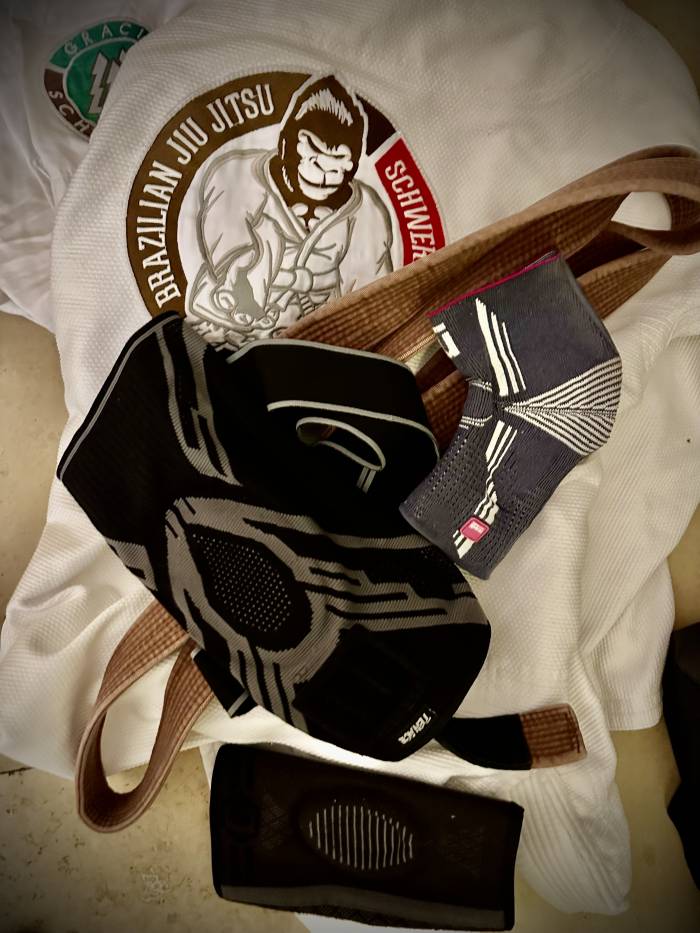
I was out of training over a year due to a recurring lower back injury, and even now I'm probably only about 30% as good as I was before my injury. It sucks, especially as I felt so close to black belt. But what keeps me going is that I'm just happy to be able to take part now, even in a small way. Even if I get smashed every round by everyone, at least I get to take part in a hobby that I love. In terms of pain management specifically, I do a mixture of exercises that were recommended to me by my exercise physiologist and physiotherapist - lots of anti-rotational work (pallof presses for example), anti-bending work (e.g. deadlifts, zercher squats), as well as pro-rotational work (yoga). I also know that there's just some positions and techniques I cannot safely do anymore, e.g. most forms of guard, getting stack passed, any sort of takedowns. It sucks, but at least I can still take part in a limited way. I'm not at a regular school anymore, since I live too far to attend regularly, but when i can make it for a roll then I'm happy. I just need to be mindful of what I can (not) do and my rolling game is a lot more permissive now; it's a choice between do I fight the sweep and risk injuring my back, or let the sweep happen and try to work from where I end up?
I totally understand you…
But better to be on the mats with some limitations than not being on the mats…
Before training I need kind of „icy hot“ on my back, have to use my asthma inhaler, have to wear an ankle brace, a knee brace and an elbow brace, I have to do mobility before warm up, but hey…it is still fun training.
But better to be on the mats with some limitations than not being on the mats…
Before training I need kind of „icy hot“ on my back, have to use my asthma inhaler, have to wear an ankle brace, a knee brace and an elbow brace, I have to do mobility before warm up, but hey…it is still fun training.
 RD
RDBlack belt 4th degreeVerified
11 month(s) ago
My body is a mess. I am on TRT and I also use Creatine.
I also manage my pain by doing combination of cold plunge and sauna every time I am at the academy before training and sometimes right after depending on the time.
Seems to help mitigate some of my problems but at 57 if I turn my head to fast I get injured these days.
I also manage my pain by doing combination of cold plunge and sauna every time I am at the academy before training and sometimes right after depending on the time.
Seems to help mitigate some of my problems but at 57 if I turn my head to fast I get injured these days.
 N
NBlack beltVerified
11 month(s) ago
I can't stress the benefits of trying an elimination diet enough
If you're dealing with chronic pain and inflammation there's probably a food you're eating you don't even realize you have an intolerance for
Most people think of food intolerances as being immediate stomach issues or allergic reactions but they show up as arthritis and brain fog too
If you're dealing with chronic pain and inflammation there's probably a food you're eating you don't even realize you have an intolerance for
Most people think of food intolerances as being immediate stomach issues or allergic reactions but they show up as arthritis and brain fog too
CRBrown beltVerified
11 month(s) ago
I totally understand you… But better to be on the mats with some limitations than not being on the mats… Before training I need kind of „icy hot“ on my back, have to use my asthma inhaler, have to wear an ankle brace, a knee brace and an elbow brace, I have to do mobility before warm up, but hey…it is still fun training.
that's my mentality, too. I'd rather take part, even as a brown belt grappling dummy essentially, than not take part at all. At the least, I can still help share knowledge and provide feedback to training partners when requested so that I'm still giving something of value. I'm hoping that as my lower back strengthens, I'll be able to roll a bit more like I used to, but for the foreseeable future it's very much a protective / defensive rolling style for me. And I'm fine with that, since the opposite would mean risking worse injury, making everything else in life harder.
 WM
WMBlack belt 5th degreeVerified
11 month(s) ago
Well, you all are obviously ignoring the soft style Kung Fu training guides, in the official Gracie Jiu-Jitsu training handbooks.
In the first place: have you tried training curriculums designed to minimize injury, with the least reduced efficacy costs?
Yes, yes, usually when people say this, they also present a cash solicitation, but I will skip that.
As it turns out, and I am NOT affiliated with the Gracie University, or Gracie Academy in Torrance, or whereever it is now....
As much as the most exuberant people in the BJJ community made points to criticize whomever, for whatever, in particular, if there may have been some business success jealousy involved, disguised as "integrity" concerns....
If one is not clever enough, or does not have the time, to make a Jiu-Jitsu curriculum designed for graduated skills development, with minimal injury, and minimal athleticism,
you could watch the Gracie Academy's Gracie University program,
where they invested 6 or 7 figures into a high quality production of Helio's curriculum to do just that.
For truth in advertising, I am not affiliated with the academy, nor program,
I am not a Gracie.
I am not a Gracie-YEAH-YEAH.
I get no revenue share from saying this.
And it is obvious, that we are quite an interesting community, that sometimes works against itself, and our own interests.
But, yeah, those two young fellows, did a decent job of that, all things, considered, despite any other flaws they may have, or may have had..
And despite how utterly stupid Internet mobs, and other low rent lynch mobs, tend to be.
This is not an advertisement.
But you can't have it all.
Pick your poisons.
In the first place: have you tried training curriculums designed to minimize injury, with the least reduced efficacy costs?
Yes, yes, usually when people say this, they also present a cash solicitation, but I will skip that.
As it turns out, and I am NOT affiliated with the Gracie University, or Gracie Academy in Torrance, or whereever it is now....
As much as the most exuberant people in the BJJ community made points to criticize whomever, for whatever, in particular, if there may have been some business success jealousy involved, disguised as "integrity" concerns....
If one is not clever enough, or does not have the time, to make a Jiu-Jitsu curriculum designed for graduated skills development, with minimal injury, and minimal athleticism,
you could watch the Gracie Academy's Gracie University program,
where they invested 6 or 7 figures into a high quality production of Helio's curriculum to do just that.
For truth in advertising, I am not affiliated with the academy, nor program,
I am not a Gracie.
I am not a Gracie-YEAH-YEAH.
I get no revenue share from saying this.
And it is obvious, that we are quite an interesting community, that sometimes works against itself, and our own interests.
But, yeah, those two young fellows, did a decent job of that, all things, considered, despite any other flaws they may have, or may have had..
And despite how utterly stupid Internet mobs, and other low rent lynch mobs, tend to be.
This is not an advertisement.
But you can't have it all.
Pick your poisons.
 JA
JABlack belt 2nd degreeVerified
11 month(s) ago
I've unfortunately put a lot of miles on my body over my life. Lots of combat sports from age 5. My mind is sharp and active, but my body is slow and tired. I wake up in pain. My neck and my back prevent me from training as hard as my mind would like to. I try to stretch. I try to take my vitamins. There just doesn't seem to be anything I can do to dull the pain. I don't want to go to a doctor because every time I do that they seem to always recommend some type of surgery. They've been doing that to me since I had my shoulders checked out back in 2000. What do you guys do? How do you guys keep yourself on the mats when you're in pain? This is one of the reasons I stopped training for a bit after I first got my brown belt. I really don't want to have to stop again.
I've also got miles on my body, I'm 47, competing black belt. What I've found out, I can do max 3 hard and maybe 2-3 easy trainings in a week, but mostly do 3 trainings every week, sometimes 4. Before competition I might do 5 trainings a week for 2-3 weeks. I think it's easy to overtrain, so most of my rolling is pretty chill, but before competition I will do shark tanks, hill sprints and HIIT workouts to improve my cardio.
I use little protein powder after training, I don't use TRT, I'm on a keto diet most of the time. I do cold plunges half of the year in the morning and very often go to sauna in the evening, which are very good for recovery,
I do strength training 1 time per week, my upper body left side is considerably weaker than right side due to neck injury many years ago and seems to be very hard to build muscle mass there. Strength training does actually help when working out the muscle imbalances, which helps with recovery.
I'm also "running" in deep water, it seems to help me with my lower back. Working the glutes is probably why it's helping.
I use little protein powder after training, I don't use TRT, I'm on a keto diet most of the time. I do cold plunges half of the year in the morning and very often go to sauna in the evening, which are very good for recovery,
I do strength training 1 time per week, my upper body left side is considerably weaker than right side due to neck injury many years ago and seems to be very hard to build muscle mass there. Strength training does actually help when working out the muscle imbalances, which helps with recovery.
I'm also "running" in deep water, it seems to help me with my lower back. Working the glutes is probably why it's helping.
MBrown beltVerified
11 month(s) ago
I've also got miles on my body, I'm 47, competing black belt. What I've found out, I can do max 3 hard and maybe 2-3 easy trainings in a week, but mostly do 3 trainings every week, sometimes 4. Before competition I might do 5 trainings a week for 2-3 weeks. I think it's easy to overtrain, so most of my rolling is pretty chill, but before competition I will do shark tanks, hill sprints and HIIT workouts to improve my cardio. I use little protein powder after training, I don't use TRT, I'm on a keto diet most of the time. I do cold plunges half of the year in the morning and very often go to sauna in the evening, which are very good for recovery, I do strength training 1 time per week, my upper body left side is considerably weaker than right side due to neck injury many years ago and seems to be very hard to build muscle mass there. Strength training does actually help when working out the muscle imbalances, which helps with recovery. I'm also "running" in deep water, it seems to help me with my lower back. Working the glutes is probably why it's helping.
For sure I am complaining at a high level…I think I am fitter than the „average“ 49 years old guy (of course there are peeps who are fitter although older).
Without strength & conditioning sessions, stretching, etc… it would definitely be worse.
I‘ve got the luxury I can work out and doing my strength and cardio training on duty every day…helps definitely to stay sharp
But it can’t be denied, that 25 years of combat sports and martial arts training took its toll on the body and that I am not that fit anymore than in my 20s and 30s…
But in comparison to what I got out of doing combat sports over the years, the outcome is more positive than negative, physically and mentally.
I don’t need to roll hard anymore. Injury prevention and sustainability is most important for me, cause in the first place, I have to provide for my family, BJJ is just a hobby , although it took and still takes a huge part in my life!
Without strength & conditioning sessions, stretching, etc… it would definitely be worse.
I‘ve got the luxury I can work out and doing my strength and cardio training on duty every day…helps definitely to stay sharp
But it can’t be denied, that 25 years of combat sports and martial arts training took its toll on the body and that I am not that fit anymore than in my 20s and 30s…
But in comparison to what I got out of doing combat sports over the years, the outcome is more positive than negative, physically and mentally.
I don’t need to roll hard anymore. Injury prevention and sustainability is most important for me, cause in the first place, I have to provide for my family, BJJ is just a hobby , although it took and still takes a huge part in my life!
 JA
JABlack beltVerified
11 month(s) ago
We certainly aren't kids anymore. My brain wants me to be able to train like I did in my teens and 20s. My body remembers that its been over 20 years since I was a highly active competitor. I absolutely hate listening to my body. My body is stupid and obviously doesn't know what's best for me. Its concerned with "Survival" and "Being a functional adult with responsibilities". That's so lame.
Pffft. Tell your brain to shut it. That's what I do... ;)
JABlack beltVerified
11 month(s) ago
and just to be sure, I'm the old man, not you! ;)
 EH
EHBlack beltVerified
11 month(s) ago
Yea I've seen this over years and happen to me with age and injury and ling time martial arts but with time and wisdom to know when to slow down take it easy even for me after shoulder surgery is to just stand back and coach and teach. Good diet and rest with stretching, support and physical therapy helps alot to
JUBlack beltVerified
11 month(s) ago
Yea I've seen this over years and happen to me with age and injury and ling time martial arts but with time and wisdom to know when to slow down take it easy even for me after shoulder surgery is to just stand back and coach and teach. Good diet and rest with stretching, support and physical therapy helps alot to
Thank you for that.
I've been talking the same approach. Slowing down and focusing on teaching. That's helped my body feel better even if my brain wants to go into battle mode. My body just can't keep up with my mind.
My wife recommends yoga. I might give it a try
I've been talking the same approach. Slowing down and focusing on teaching. That's helped my body feel better even if my brain wants to go into battle mode. My body just can't keep up with my mind.
My wife recommends yoga. I might give it a try
CRBrown beltVerified
11 month(s) ago
Thank you for that. I've been talking the same approach. Slowing down and focusing on teaching. That's helped my body feel better even if my brain wants to go into battle mode. My body just can't keep up with my mind. My wife recommends yoga. I might give it a try
Yoga has helped me a lot, especially in terms of regaining confidence in moving my body and to (appropriately) push through pain. My physio / exercise physiologist both explained that following injury, our bodies are more likely to overreact or play up minor pain. Yoga has helped me recognise the difference between my body playing it up, and "oh shit something is actually wrong".
Re the comments on teaching - something that helped keep me sane in my time off was writing BJJ curricula. I work at a university designing university degrees, so I thought I would put my skills there to use elsewhere. It helped to keep me "in the game" in some sense while I was still unable to walk properly and so on. I used to teach BJJ, and thankfully I've found a local gym that wants me to assist in teaching.
Re the comments on teaching - something that helped keep me sane in my time off was writing BJJ curricula. I work at a university designing university degrees, so I thought I would put my skills there to use elsewhere. It helped to keep me "in the game" in some sense while I was still unable to walk properly and so on. I used to teach BJJ, and thankfully I've found a local gym that wants me to assist in teaching.
 M
MBlack beltVerified
11 month(s) ago
I've unfortunately put a lot of miles on my body over my life. Lots of combat sports from age 5. My mind is sharp and active, but my body is slow and tired. I wake up in pain. My neck and my back prevent me from training as hard as my mind would like to. I try to stretch. I try to take my vitamins. There just doesn't seem to be anything I can do to dull the pain. I don't want to go to a doctor because every time I do that they seem to always recommend some type of surgery. They've been doing that to me since I had my shoulders checked out back in 2000. What do you guys do? How do you guys keep yourself on the mats when you're in pain? This is one of the reasons I stopped training for a bit after I first got my brown belt. I really don't want to have to stop again.
Brother, I hear you loud and clear. I’ve walked a similar path, years of sports layered with the wear and tear from my Gulf War service and fibromyalgia. Chronic pain isn’t just physical, it’s tactical friction between who we are and what our bodies allow. But I’ve built a system that helps me stay on the mats without surrendering to surgery or burnout.
Here’s what’s kept me moving:
Natural anti-inflammatory stack: Turmeric, ginger, and omega-3s are my go-tos. I lean into nature before pharma whenever possible.
Hydration and sleep discipline: Not just “get more rest”, I treat sleep like a recovery protocol. Magnesium, blackout environment, and no stimulants late.
Creatine for cellular resilience: Not just for muscle, creatine helps with recovery and cognitive sharpness. It’s part of my daily stack.
Joint support: I rotate between collagen, MSM, and glucosamine blends. I vet every supplement like I’m prepping for a mission.
Modular movement protocols: I don’t stretch randomly. I map pain zones and build micro-mobility drills around them. Tactical movement, not passive stretching.
Gear and recovery tools: PEMF, percussion therapy, and infrared when needed. I treat recovery like training, intentional, layered, and adaptive.
I’ve had docs push surgery as well. But I’ve learned to walk in with my own data, my own goals, and a refusal to be sidelined. You’ve earned your brown belt and your battle scars. You don’t have to choose between pain and purpose. There’s a third path!
Here’s what’s kept me moving:
Natural anti-inflammatory stack: Turmeric, ginger, and omega-3s are my go-tos. I lean into nature before pharma whenever possible.
Hydration and sleep discipline: Not just “get more rest”, I treat sleep like a recovery protocol. Magnesium, blackout environment, and no stimulants late.
Creatine for cellular resilience: Not just for muscle, creatine helps with recovery and cognitive sharpness. It’s part of my daily stack.
Joint support: I rotate between collagen, MSM, and glucosamine blends. I vet every supplement like I’m prepping for a mission.
Modular movement protocols: I don’t stretch randomly. I map pain zones and build micro-mobility drills around them. Tactical movement, not passive stretching.
Gear and recovery tools: PEMF, percussion therapy, and infrared when needed. I treat recovery like training, intentional, layered, and adaptive.
I’ve had docs push surgery as well. But I’ve learned to walk in with my own data, my own goals, and a refusal to be sidelined. You’ve earned your brown belt and your battle scars. You don’t have to choose between pain and purpose. There’s a third path!
JUBlack beltVerified
11 month(s) ago
Brother, I hear you loud and clear. I’ve walked a similar path, years of sports layered with the wear and tear from my Gulf War service and fibromyalgia. Chronic pain isn’t just physical, it’s tactical friction between who we are and what our bodies allow. But I’ve built a system that helps me stay on the mats without surrendering to surgery or burnout. Here’s what’s kept me moving: Natural anti-inflammatory stack: Turmeric, ginger, and omega-3s are my go-tos. I lean into nature before pharma whenever possible. Hydration and sleep discipline: Not just “get more rest”, I treat sleep like a recovery protocol. Magnesium, blackout environment, and no stimulants late. Creatine for cellular resilience: Not just for muscle, creatine helps with recovery and cognitive sharpness. It’s part of my daily stack. Joint support: I rotate between collagen, MSM, and glucosamine blends. I vet every supplement like I’m prepping for a mission. Modular movement protocols: I don’t stretch randomly. I map pain zones and build micro-mobility drills around them. Tactical movement, not passive stretching. Gear and recovery tools: PEMF, percussion therapy, and infrared when needed. I treat recovery like training, intentional, layered, and adaptive. I’ve had docs push surgery as well. But I’ve learned to walk in with my own data, my own goals, and a refusal to be sidelined. You’ve earned your brown belt and your battle scars. You don’t have to choose between pain and purpose. There’s a third path!
You're a goddamn champion brother.
As always I appreciate your help here.
I'm lacking on the anti-inflammatory, the sleep hygiene, and the creatine.
I'm sure working at my desk in my chair for 10-12 hours a day isn't helping. Maybe i should get one of those standing desks.
As always I appreciate your help here.
I'm lacking on the anti-inflammatory, the sleep hygiene, and the creatine.
I'm sure working at my desk in my chair for 10-12 hours a day isn't helping. Maybe i should get one of those standing desks.
MBlack beltVerified
11 month(s) ago
You're a goddamn champion brother. As always I appreciate your help here. I'm lacking on the anti-inflammatory, the sleep hygiene, and the creatine. I'm sure working at my desk in my chair for 10-12 hours a day isn't helping. Maybe i should get one of those standing desks.
Not a champion, brother, just an average guy doing the best I can and trying to help others along the way. For me, anti-inflammatories are everything. Without them, sleep doesn’t even happen. I’ve had a standing desk from Amazon for about three years now, no issues at all. Truth is, I don’t stand at it as much as I should. But my service dog keeps me moving enough that I don’t rely on it as much as I thought I would.
WMBlack belt 5th degreeVerified
11 month(s) ago
Not a champion, brother, just an average guy doing the best I can and trying to help others along the way. For me, anti-inflammatories are everything. Without them, sleep doesn’t even happen. I’ve had a standing desk from Amazon for about three years now, no issues at all. Truth is, I don’t stand at it as much as I should. But my service dog keeps me moving enough that I don’t rely on it as much as I thought I would.
A Tribe's greatness is measured by the fierceness of its enemies,
And the measure of a man, or a woman, is how much suffering they can endure to do what needs doing.
You have done well, to keep making mischief, after enduring a wrinkle or two.
And the measure of a man, or a woman, is how much suffering they can endure to do what needs doing.
You have done well, to keep making mischief, after enduring a wrinkle or two.
MBrown beltVerified
11 month(s) ago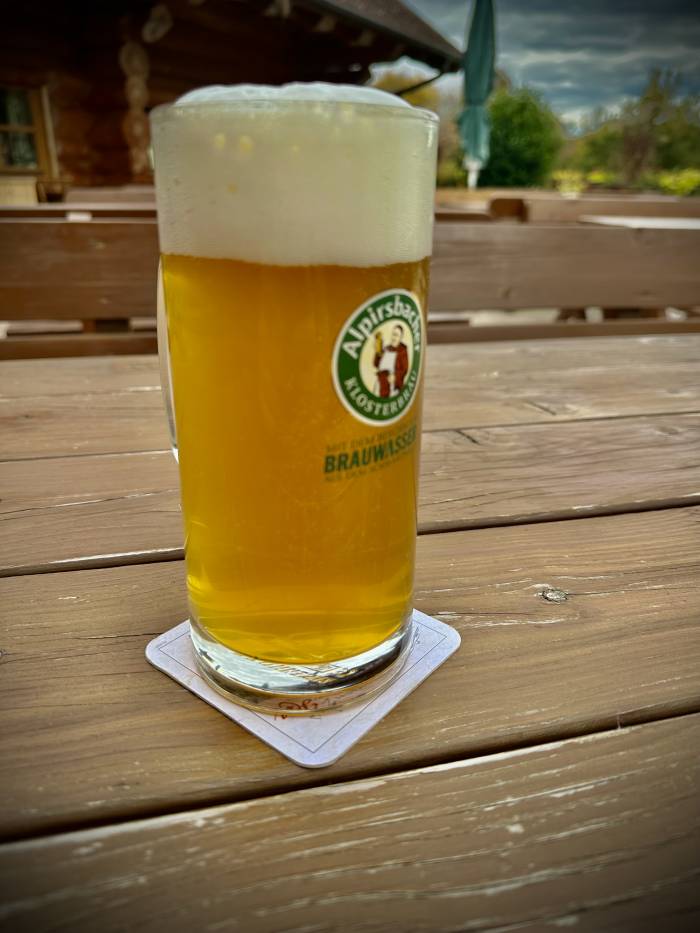
Brother, I hear you loud and clear. I’ve walked a similar path, years of sports layered with the wear and tear from my Gulf War service and fibromyalgia. Chronic pain isn’t just physical, it’s tactical friction between who we are and what our bodies allow. But I’ve built a system that helps me stay on the mats without surrendering to surgery or burnout. Here’s what’s kept me moving: Natural anti-inflammatory stack: Turmeric, ginger, and omega-3s are my go-tos. I lean into nature before pharma whenever possible. Hydration and sleep discipline: Not just “get more rest”, I treat sleep like a recovery protocol. Magnesium, blackout environment, and no stimulants late. Creatine for cellular resilience: Not just for muscle, creatine helps with recovery and cognitive sharpness. It’s part of my daily stack. Joint support: I rotate between collagen, MSM, and glucosamine blends. I vet every supplement like I’m prepping for a mission. Modular movement protocols: I don’t stretch randomly. I map pain zones and build micro-mobility drills around them. Tactical movement, not passive stretching. Gear and recovery tools: PEMF, percussion therapy, and infrared when needed. I treat recovery like training, intentional, layered, and adaptive. I’ve had docs push surgery as well. But I’ve learned to walk in with my own data, my own goals, and a refusal to be sidelined. You’ve earned your brown belt and your battle scars. You don’t have to choose between pain and purpose. There’s a third path!
Respect, Brendan!
Sleep is a problem… glad I haven’t to do nightshifts anymore, but weekend shifts and I teach and train BJJ late in the evening after duty and have to get up in the morning early again.
And I love having a beer, or two… isn’t the best of course if you want to fight inflammation, I know, but I enjoy having some beers on the weekends…
Sleep is a problem… glad I haven’t to do nightshifts anymore, but weekend shifts and I teach and train BJJ late in the evening after duty and have to get up in the morning early again.
And I love having a beer, or two… isn’t the best of course if you want to fight inflammation, I know, but I enjoy having some beers on the weekends…
RDBlack belt 4th degreeVerified
11 month(s) ago
I'm at the point where I'll take a few days off from training just to heal up enough to get at it.
Frustrating getting older but it's an inescapable reality.
I'll just keep finding ways to continue until I just can't which hopefully comes later rather than sooner.
Frustrating getting older but it's an inescapable reality.
I'll just keep finding ways to continue until I just can't which hopefully comes later rather than sooner.
JABlack belt 2nd degreeVerified
11 month(s) ago
Finding ways which help with recovery are key, just as finding ways to train less intensive are too.
Last globetrotters Iceland camp I participated in 12 trainings and did 7 open mats in 6 days. Had a few beers but most importantly I slept well, went to sauna, had cold and hot baths every day and ate huge amounts of food. And rested a whole week afterwards.
Some people are killing themselves at the first day open mats but I think most people learn a lesson about intensity there. 😅
Last globetrotters Iceland camp I participated in 12 trainings and did 7 open mats in 6 days. Had a few beers but most importantly I slept well, went to sauna, had cold and hot baths every day and ate huge amounts of food. And rested a whole week afterwards.
Some people are killing themselves at the first day open mats but I think most people learn a lesson about intensity there. 😅
 BV
BVBlack belt 2nd degreeVerified
11 month(s) ago
I think tiny habits are very important. Stuff like inventive ways to get your steps in, do a set of push ups, some stretching while in a conference, breathing excersizes in the car while driving (dont do Wim Hof while driving), etc etc.
This helps me a lot keeping my body mobile and fit without exhausting myself. Im 40 and train pretty much daily. No real serious injuries other than some aches and soreness.
This helps me a lot keeping my body mobile and fit without exhausting myself. Im 40 and train pretty much daily. No real serious injuries other than some aches and soreness.
 FF
FFBlack belt 2nd degreeVerified
11 month(s) ago
I do Functional Patterns since a while. Solved or drastically minimised any issue I have, in record time.



