
Rules for main forums
- Be nice
- No advertisement
- No events
- No fundraisers
- No topics asking for votes
- Only posts related to Brazilian Jiu Jitsu
How to get better at jiu-jitsu faster?
5 year(s) ago • 10149 views • 11 replies
 JJ
JJBlack beltVerified
5 year(s) ago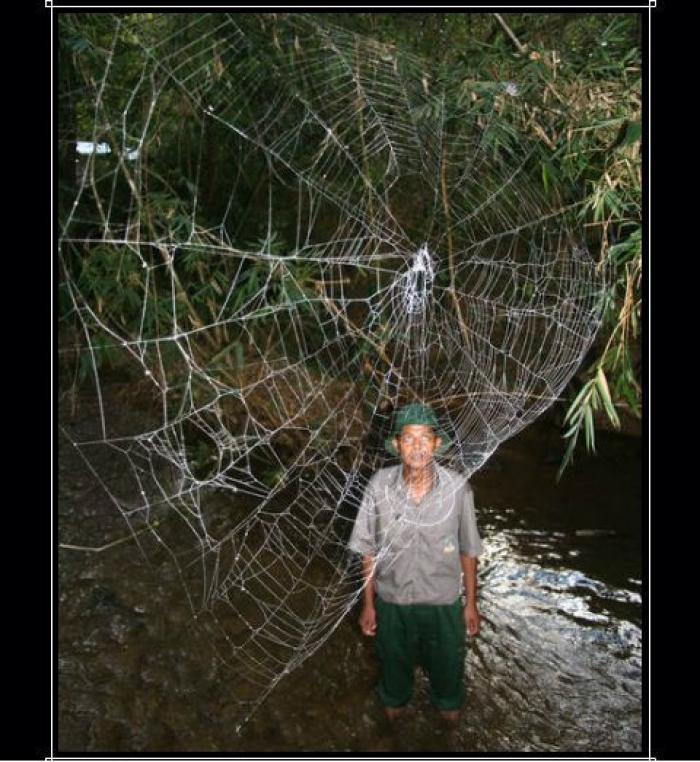
When people ask me how to get better at jiu-jitsu faster. What they should work on.
The following is assuming someone has at least 6 months experience and knows some very basic fundamentals just to simplify things a bit.
My idea is the following:
Step 1: Neutral Position (Any guard or standing)
Step 2: Balance (Posture, Posts, Weight Distribution)
Step 3: Movement (Escapes/Transitions and Awareness of Space)
Step 4: Control (Awareness of Distance and Energy Efficiency and the combination of the above)
Step 5: Submissions, Strategy and everything else comes after the first 4 steps and not a point of focus in this topic as the first 4 steps are most important. Competing would involve the implementation of Step 5 and more but not what I am trying to focus on for this discussion. Just the first few general areas to make the quickest progress.
Step 1: Neutral Position: Can be any guard...closed guard, 1/2 guard, open guard, butterfly guard or even standing. Just something to start to build the spider web of jiu-jitsu and connect the pathways together. Being able to move forward, back, left right etc. like a video game controller but in any direction where you will have a pathway to another path. The ability to reset to this position or advance from. Figuring out what your neutral position is I believe should be the very first step to being able to develop your own style and game plan that you can begin to actually link everything together. A position you will always be working on expanding and getting better at and developing more pathways that may link to other guards but this one will be the foundation that holds everything else together.
Try to understand the pros/cons:
- Open guard = creating more distance and giving you a timing advantage and more sweep and attack options. (Often for semi athletic)
- Closed guard = removing distance and space, focusing on disrupting your opponents posture. (Often for smaller or tall guys and women)
- 1/2 guard = Removing space and focusing on using your opponents weight distribution against them. (Often for bigger slower guys)
- Butterfly guard = More for Nogi and focusing on underhooks/overhooks. (Nogi)
- Standing = Anyone who just prefers takedowns. Requires a lot more energy and higher risk/higher reward. (Wrestlers/Judo/Barbarians)
Step 2: Balance: Partially The ability to sweep and defend sweeps. Being able to break down someone's posture, control their posts and attack their weight distribution in order to get a sweep. The same applies when defending a sweep. Being able to not have your posture broken down, maintaining control of your posts and being constantly aware of where your weight is distributed as that is where your opponent will be attacking you as your trying to pass someone's guard or when your already in a dominant position. Learning this both offensively and defensively at the same time is the best for understanding the basic concept. If you can't defend yourself from getting swept or control your own balance then you won't be able to do anything after this step and the rest of the steps will be useless. Eventually Balance will include more advanced details but this seems to be enough information for now.
Step 3: Movement: You will always be working on your defense, but working on your escapes/reversals and just general movement. The ability to transition through positions in advancement and also the ability to retreat and recover. Starting to create new pathways linking from the center of the web. Thinking of creating and removing space. Attacking weight distribution in combination of movement through space that exists or has been created.
Step 4: Control: Becoming aware of distance and how to use distance management and being more energy efficient. Finally understanding and finalizing your neutral position based upon the pros and cons mentioned in Step 1. And understanding your opponents strengths/weaknesses in their neutral positions so you can use balance and movement with control to gain a dominant position. Passing will become easy against near experienced opponents while doing this and won't require advanced techniques yet. Being able to be relaxed and calm in any position. Able to move as your opponent moves blocking hips, shoulder rotations, cross facing etc. Understanding that side control for example is not just 1 position of pressure but several positions that you will have to move and react as your opponent moves and reacts. In the end a battle to remove as much space and options of movement possible until the only options left are the ones that you can predict and guide them in the pathway you desire. Understanding control is the goal not the position itself. Not position before submission but ultimate endless control from everywhere.
If anyone has some ideas to add or categorize differently let me know. Trying to just simplify things in a non technical but more conceptual way that gives a much broader but easier direction to follow then just telling someone to work on guard or triangles etc...as there is much more to it than that. Got tired of typing. The end. lol
The following is assuming someone has at least 6 months experience and knows some very basic fundamentals just to simplify things a bit.
My idea is the following:
Step 1: Neutral Position (Any guard or standing)
Step 2: Balance (Posture, Posts, Weight Distribution)
Step 3: Movement (Escapes/Transitions and Awareness of Space)
Step 4: Control (Awareness of Distance and Energy Efficiency and the combination of the above)
Step 5: Submissions, Strategy and everything else comes after the first 4 steps and not a point of focus in this topic as the first 4 steps are most important. Competing would involve the implementation of Step 5 and more but not what I am trying to focus on for this discussion. Just the first few general areas to make the quickest progress.
Step 1: Neutral Position: Can be any guard...closed guard, 1/2 guard, open guard, butterfly guard or even standing. Just something to start to build the spider web of jiu-jitsu and connect the pathways together. Being able to move forward, back, left right etc. like a video game controller but in any direction where you will have a pathway to another path. The ability to reset to this position or advance from. Figuring out what your neutral position is I believe should be the very first step to being able to develop your own style and game plan that you can begin to actually link everything together. A position you will always be working on expanding and getting better at and developing more pathways that may link to other guards but this one will be the foundation that holds everything else together.
Try to understand the pros/cons:
- Open guard = creating more distance and giving you a timing advantage and more sweep and attack options. (Often for semi athletic)
- Closed guard = removing distance and space, focusing on disrupting your opponents posture. (Often for smaller or tall guys and women)
- 1/2 guard = Removing space and focusing on using your opponents weight distribution against them. (Often for bigger slower guys)
- Butterfly guard = More for Nogi and focusing on underhooks/overhooks. (Nogi)
- Standing = Anyone who just prefers takedowns. Requires a lot more energy and higher risk/higher reward. (Wrestlers/Judo/Barbarians)
Step 2: Balance: Partially The ability to sweep and defend sweeps. Being able to break down someone's posture, control their posts and attack their weight distribution in order to get a sweep. The same applies when defending a sweep. Being able to not have your posture broken down, maintaining control of your posts and being constantly aware of where your weight is distributed as that is where your opponent will be attacking you as your trying to pass someone's guard or when your already in a dominant position. Learning this both offensively and defensively at the same time is the best for understanding the basic concept. If you can't defend yourself from getting swept or control your own balance then you won't be able to do anything after this step and the rest of the steps will be useless. Eventually Balance will include more advanced details but this seems to be enough information for now.
Step 3: Movement: You will always be working on your defense, but working on your escapes/reversals and just general movement. The ability to transition through positions in advancement and also the ability to retreat and recover. Starting to create new pathways linking from the center of the web. Thinking of creating and removing space. Attacking weight distribution in combination of movement through space that exists or has been created.
Step 4: Control: Becoming aware of distance and how to use distance management and being more energy efficient. Finally understanding and finalizing your neutral position based upon the pros and cons mentioned in Step 1. And understanding your opponents strengths/weaknesses in their neutral positions so you can use balance and movement with control to gain a dominant position. Passing will become easy against near experienced opponents while doing this and won't require advanced techniques yet. Being able to be relaxed and calm in any position. Able to move as your opponent moves blocking hips, shoulder rotations, cross facing etc. Understanding that side control for example is not just 1 position of pressure but several positions that you will have to move and react as your opponent moves and reacts. In the end a battle to remove as much space and options of movement possible until the only options left are the ones that you can predict and guide them in the pathway you desire. Understanding control is the goal not the position itself. Not position before submission but ultimate endless control from everywhere.
If anyone has some ideas to add or categorize differently let me know. Trying to just simplify things in a non technical but more conceptual way that gives a much broader but easier direction to follow then just telling someone to work on guard or triangles etc...as there is much more to it than that. Got tired of typing. The end. lol
Edited 5 year(s) ago
 JM
JMBlack belt 2nd degreeVerified

5 year(s) ago
Talk to / listen to Priit Mihkelson. You'd find a lot in common.
Anyway... my 2c in regards "How to get better at jiu-jitsu faster. What they should work on."
Think about "How can people get better at jiu-jitsu faster. What should one work on." ;)
Anyway... my 2c in regards "How to get better at jiu-jitsu faster. What they should work on."
Think about "How can people get better at jiu-jitsu faster. What should one work on." ;)
JJBlack beltVerified
5 year(s) ago
Talk to / listen to Priit Mihkelson. You'd find a lot in common. Anyway... my 2c in regards 'How to get better at jiu-jitsu faster. What they should work on.' Think about 'How can people get better at jiu-jitsu faster. What should one work on.' ;)
I have this weird thing where I will describe a singular person as they even though I'm not using it as a representation of multiple people it can still be used in reference to people in general. Not sure why. I just like using it to describe anyone I don't know well in the same context as it can be used this way even if it's just one person. lol
Edited 5 year(s) ago
JMBlack belt 2nd degreeVerified
5 year(s) ago
I have this weird thing where I will describe a singular person as they even though I'm not using it as a representation of multiple people it can still be used in reference to people in general. Not sure why. I just like using it to describe anyone I don't know well in the same context as it can be used this way even if it's just one person. lol
I even didn't think / notice that.
I just wanted to say that one of the fast-tracks to get better yourself is to think about how IN GENERAL "getting better" works best for different people.
I just wanted to say that one of the fast-tracks to get better yourself is to think about how IN GENERAL "getting better" works best for different people.
JJBlack beltVerified
5 year(s) ago
I even didn't think / notice that. I just wanted to say that one of the fast-tracks to get better yourself is to think about how IN GENERAL 'getting better' works best for different people.
Ah yea. People learn in different ways. I personally look like an idiot when going over techniques the first time and then after 2 more walkthroughs I'm ready to use it in sparring. I personally don't need to drill things a thousand times. I also will zone out if someone talks more than 5 minutes.
I've just had like 5 people ask me why I used the word they instead of a more singular word this week lol.
I've just had like 5 people ask me why I used the word they instead of a more singular word this week lol.
Edited 5 year(s) ago
 FG
FGBlack belt 3rd degreeVerified
5 year(s) ago
I guess it comes down to how someone defines getting better at Jiu Jitsu...
I mean if you are a competitor, it could be something as simple as sitting down with your coach, deciding on a handful of techniques that will be your A game and working on having as many ways to get to them as possible! Get lots of reps and lots of positional rolling to get your positions really sharp and have more reps in your offence in these positions than most competitors have in their defense of the chosen positions.
For a recreational Jiu Jitsu student learning the art for fun, a little fitness and a hobby, then I would say learn how to protect yourself and stay safe from "inferior" positions under side control, mount, knee ride, back, turtle etc. Focus on learning how to relax, breathe and organise your defense, then shelf your attributes as much as possible and focus on finding a way to apply your techniques in a controlled manner.
For someone who takes up Jiu Jitsu for self defense, I would say that you make sure that you spend some time learning about and understanding what the most common and likely scenarios that you may encounter are and then get a lot of practise learning how to defend those types of attacks. You can start with the basics of Gracie Jiu Jitsu self defense but sooner or later you are going to have to work with a lot more resistance and practise applying your techniques against forward aggressive energy and movement to develop your timing and ability to apply your techniques under stress. I would also say start slowly and slowly build up the resistance and introduction of psychological stress to your training.
Those are just a few random snapshot examples, however I believe everyone is different and without an understanding of what an individual means by better, it can be difficult to prescribe a one size fits all answer. That being said, I like what you have come up with for yourself.
I mean if you are a competitor, it could be something as simple as sitting down with your coach, deciding on a handful of techniques that will be your A game and working on having as many ways to get to them as possible! Get lots of reps and lots of positional rolling to get your positions really sharp and have more reps in your offence in these positions than most competitors have in their defense of the chosen positions.
For a recreational Jiu Jitsu student learning the art for fun, a little fitness and a hobby, then I would say learn how to protect yourself and stay safe from "inferior" positions under side control, mount, knee ride, back, turtle etc. Focus on learning how to relax, breathe and organise your defense, then shelf your attributes as much as possible and focus on finding a way to apply your techniques in a controlled manner.
For someone who takes up Jiu Jitsu for self defense, I would say that you make sure that you spend some time learning about and understanding what the most common and likely scenarios that you may encounter are and then get a lot of practise learning how to defend those types of attacks. You can start with the basics of Gracie Jiu Jitsu self defense but sooner or later you are going to have to work with a lot more resistance and practise applying your techniques against forward aggressive energy and movement to develop your timing and ability to apply your techniques under stress. I would also say start slowly and slowly build up the resistance and introduction of psychological stress to your training.
Those are just a few random snapshot examples, however I believe everyone is different and without an understanding of what an individual means by better, it can be difficult to prescribe a one size fits all answer. That being said, I like what you have come up with for yourself.
 JW
JWPurple beltVerified
5 year(s) ago
It takes mat time. I feel it they want to get better faster they just need to show up and get on the mats as often as possible.
JMBlack belt 2nd degreeVerified
5 year(s) ago
It takes mat time. I feel it they want to get better faster they just need to show up and get on the mats as often as possible.
That is a view too simplistic/mechanistic. Want to get better at it? Just do it more! Duh!
It's rarely helpful because those with motivation to be better are likely already putting in the time resource they have.
And in regards any kind of physical training, there's diminishing returns to "just volume".
1 session per week will make infinitly more better than 0 per week. But from there it starts to really matter also how/what you train.
Also 5 times per week with less injury risk might be more volume in a year than 8 times per week with sitting out a few months in total because nagging injuries.
It's rarely helpful because those with motivation to be better are likely already putting in the time resource they have.
And in regards any kind of physical training, there's diminishing returns to "just volume".
1 session per week will make infinitly more better than 0 per week. But from there it starts to really matter also how/what you train.
Also 5 times per week with less injury risk might be more volume in a year than 8 times per week with sitting out a few months in total because nagging injuries.
 CB
CBBrown beltVerified
5 year(s) ago
Unpopular opinion, I personally think a lot of people are too busy either subbing people or try to avoid getting subbed to get really good at BJJ. A big component of improving is both realizing what you need to work on, and also forcing yourself to work on it. That second part is always the one we want to skip. I can't tell you how many times I've heard, "Yeah, I'm bad at that, so I don't work on it." I think that's also what makes people pull guard all the time instead of developing a strong stand-up game, or why you have purple belts who only use once submission and can't finish someone who has a strong defense against that submission.
JJBlack beltVerified
5 year(s) ago
Unpopular opinion, I personally think a lot of people are too busy either subbing people or try to avoid getting subbed to get really good at BJJ. A big component of improving is both realizing what you need to work on, and also forcing yourself to work on it. That second part is always the one we want to skip. I can't tell you how many times I've heard, 'Yeah, I'm bad at that, so I don't work on it.' I think that's also what makes people pull guard all the time instead of developing a strong stand-up game, or why you have purple belts who only use once submission and can't finish someone who has a strong defense against that submission.
I have just recently started to set up my A game submission by not even attacking it at all and not really even thinking about going for it unless everything else fails as normally if the match is long enough they will eventually give it to me without me forcing it if everything else fails.
Instead of starting with my best submission which is North South Kimura, and then if that fails transitioning to B > C > D etc which could be armbar/bicep slicer/wrist lock and so on I have started to set up My A submission by starting with D > C > B > and then finally A with a chain that gets stronger and more dangerous as it progresses instead of weaker.
So I will set up my C sub by attacking by D to start with then the C, which sets up the B which sets up the A. Example. Threating a ninja roll > trapping the wrist then threatening the lapel Americana to then getting them to want to pull their arm out to then threaten the lapel ezekiel and then I can go for the Kimura after if I want just by acting like imma start going north south but then rotating back and catching the far side arm.
It's all about the set ups and making your chain of attacks grow stronger instead of weaker. Getting them to move where you want them to and having something you can attack from every single position to either threaten them or get them to move where you want them to move to continue attacking. Relying on just a single submission that you try to force your way into position to get just isn't good enough.
Also instead of finishing subs just transition to the next thing or see how slowly and controlled you can get whatever sub your working on. The slower and more controlled you can get any submission the better you are at it. When you can just look someone In the eyes and stare at them until they tap without applying any additional pressure or just slowly increasing the pressure by 1% per half second that is way more efficient for training improvement or also just seeing how long you can safely hang out or control someone in any given position. I think I am finally starting to see why Christian likes surfing in peoples guards. It might be one one of the riskiest things you can do but very fun when you can just stand and hangout in someone's guard and constantly try to improve your overall awareness of things.
Instead of starting with my best submission which is North South Kimura, and then if that fails transitioning to B > C > D etc which could be armbar/bicep slicer/wrist lock and so on I have started to set up My A submission by starting with D > C > B > and then finally A with a chain that gets stronger and more dangerous as it progresses instead of weaker.
So I will set up my C sub by attacking by D to start with then the C, which sets up the B which sets up the A. Example. Threating a ninja roll > trapping the wrist then threatening the lapel Americana to then getting them to want to pull their arm out to then threaten the lapel ezekiel and then I can go for the Kimura after if I want just by acting like imma start going north south but then rotating back and catching the far side arm.
It's all about the set ups and making your chain of attacks grow stronger instead of weaker. Getting them to move where you want them to and having something you can attack from every single position to either threaten them or get them to move where you want them to move to continue attacking. Relying on just a single submission that you try to force your way into position to get just isn't good enough.
Also instead of finishing subs just transition to the next thing or see how slowly and controlled you can get whatever sub your working on. The slower and more controlled you can get any submission the better you are at it. When you can just look someone In the eyes and stare at them until they tap without applying any additional pressure or just slowly increasing the pressure by 1% per half second that is way more efficient for training improvement or also just seeing how long you can safely hang out or control someone in any given position. I think I am finally starting to see why Christian likes surfing in peoples guards. It might be one one of the riskiest things you can do but very fun when you can just stand and hangout in someone's guard and constantly try to improve your overall awareness of things.
Edited 5 year(s) ago
CBBrown beltVerified
5 year(s) ago
Actually, this is kind of what I mean. The submissions are the cool part, but it's far from everything.
For example, I realized that I have a problem retaining Mount against larger opponents. I'm always going to be at a disadvantage there and I tend to prefer Side Control anyway, but I don't like that weakness in my game. So, I honestly don't even try to submit at the moment. I find myself a larger guy, get into mount and just try to hold him there as long as possible. If he shucks me off, return and hold again.
Or sometimes I do something I call Danger Zone Sparring, which is where I just stay in my opponent's guard and defend. I'm not allowed to sweep or submit and let him do whatever he wants.
Other times I let my partner trap submissions or dominant positions and work on my escapes. Or give them a 10 point lead and I don't get to try and submit my partner until I've made up the disadvantage.
Etc ,etc, etc.
Honestly, most of my sparring nowadays isn't free sparring, even when the coach says we are free rolling. Maybe I'm not as creative as others, but if I don't force myself into a situation where I must expand my horizons, I progress very slowly.
For example, I realized that I have a problem retaining Mount against larger opponents. I'm always going to be at a disadvantage there and I tend to prefer Side Control anyway, but I don't like that weakness in my game. So, I honestly don't even try to submit at the moment. I find myself a larger guy, get into mount and just try to hold him there as long as possible. If he shucks me off, return and hold again.
Or sometimes I do something I call Danger Zone Sparring, which is where I just stay in my opponent's guard and defend. I'm not allowed to sweep or submit and let him do whatever he wants.
Other times I let my partner trap submissions or dominant positions and work on my escapes. Or give them a 10 point lead and I don't get to try and submit my partner until I've made up the disadvantage.
Etc ,etc, etc.
Honestly, most of my sparring nowadays isn't free sparring, even when the coach says we are free rolling. Maybe I'm not as creative as others, but if I don't force myself into a situation where I must expand my horizons, I progress very slowly.
JJBlack beltVerified
5 year(s) ago
Actually, this is kind of what I mean. The submissions are the cool part, but it's far from everything. For example, I realized that I have a problem retaining Mount against larger opponents. I'm always going to be at a disadvantage there and I tend to prefer Side Control anyway, but I don't like that weakness in my game. So, I honestly don't even try to submit at the moment. I find myself a larger guy, get into mount and just try to hold him there as long as possible. If he shucks me off, return and hold again. Or sometimes I do something I call Danger Zone Sparring, which is where I just stay in my opponent's guard and defend. I'm not allowed to sweep or submit and let him do whatever he wants. Other times I let my partner trap submissions or dominant positions and work on my escapes. Or give them a 10 point lead and I don't get to try and submit my partner until I've made up the disadvantage. Etc ,etc, etc. Honestly, most of my sparring nowadays isn't free sparring, even when the coach says we are free rolling. Maybe I'm not as creative as others, but if I don't force myself into a situation where I must expand my horizons, I progress very slowly.
Yeah I try to be very floaty in mount and let them move and just float along to Smount or back to side control if they are big or strong. Smaller guys I'll go for mounted triangle and just make sure I use my head as a post from a very high mount and finish it from top and not allow them to go into a normal triangle from guard.
I mostly only spar to win if a higher belt under 40 really wants to roll hard to try to win. But even then I mostly will focus on putting them in a position to where they can't move as I feel like pinning someone to where they can't move or escape is more dominant than a quick tap or trap both arms one with a lapel and the other with my shins and slowly apply a lapel submission that has good control and just leave them in submission control purgatory where I am not finishing the submission and letting them work on trying to escape the position/submission and see how they respond so I can then work on the follow up options.
I mostly only spar to win if a higher belt under 40 really wants to roll hard to try to win. But even then I mostly will focus on putting them in a position to where they can't move as I feel like pinning someone to where they can't move or escape is more dominant than a quick tap or trap both arms one with a lapel and the other with my shins and slowly apply a lapel submission that has good control and just leave them in submission control purgatory where I am not finishing the submission and letting them work on trying to escape the position/submission and see how they respond so I can then work on the follow up options.
Edited 5 year(s) ago



